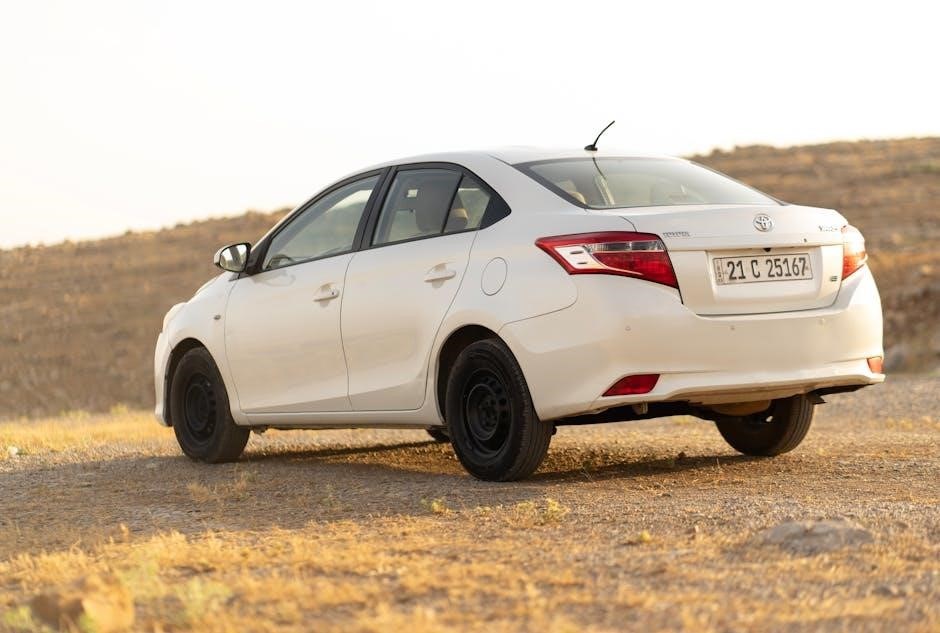
2015 Honda Accord Manual: A Comprehensive Guide
This user manual expertly guides you through the 2015 Honda Accord Owner’s Manual‚ offering essential instructions for mastering your vehicle’s operation and features.
Welcome to the world of the 2015 Honda Accord! This exceptional vehicle represents Honda’s commitment to reliability‚ innovation‚ and driver satisfaction. This introduction serves as your starting point for understanding everything your Accord has to offer. Whether you’re a long-time Honda enthusiast or a first-time owner‚ this manual will become your indispensable companion.
The 2015 Accord blends a spacious interior with a dynamic driving experience. It’s designed to meet the diverse needs of modern drivers‚ offering both comfort and efficiency. This guide will walk you through the key features‚ operating procedures‚ and maintenance requirements to ensure you get the most out of your investment. Consider this manual your personal tutor‚ unlocking the full potential of your new vehicle and providing essential instructions for a safe and enjoyable driving experience.
Understanding Your Owner’s Manual
Your 2015 Honda Accord Owner’s Manual is a vital resource‚ meticulously crafted to provide comprehensive information about your vehicle. It’s organized for easy navigation‚ allowing you to quickly find answers to your questions. This manual details everything from basic operation to advanced features‚ safety systems‚ and maintenance schedules.
Before operating your Accord‚ we strongly recommend familiarizing yourself with the contents of this manual. Pay close attention to the safety warnings and precautions outlined within. Understanding these guidelines will help ensure your safety and the safety of your passengers. This manual serves as your personal tutor‚ offering essential instructions and insights into maximizing your driving experience. Utilize it to unlock the full potential of your Accord and enjoy years of reliable performance.

Vehicle Overview & Key Features
The 2015 Honda Accord boasts a spacious interior‚ innovative technology‚ and renowned reliability‚ offering a compelling blend of performance and practicality for drivers.
2015 Accord Trim Levels (LX‚ Sport‚ EX‚ EX-L‚ Touring)
The 2015 Honda Accord offered a diverse range of trim levels to suit various preferences and budgets. The base LX model provided essential features and excellent fuel economy. Stepping up to the Sport trim added a more aggressive appearance and enhanced driving dynamics.
The EX trim introduced even more comfort and convenience features‚ including a sunroof and upgraded audio system. For those seeking luxury‚ the EX-L offered leather upholstery and advanced technology. Finally‚ the top-of-the-line Touring trim included premium features like navigation‚ upgraded audio‚ and Honda Sensing safety technologies.
Each trim level built upon the previous one‚ providing a clear progression of features and amenities. Understanding these distinctions is crucial for identifying your vehicle’s specific equipment and capabilities.
Engine Specifications (2.4L I4 & 3.5L V6)
The 2015 Honda Accord presented drivers with a choice between two robust engine options. The standard engine was a 2.4-liter inline-4 cylinder‚ producing 185 horsepower and 181 lb-ft of torque‚ balancing efficiency with adequate performance. For those desiring more power‚ a 3.5-liter V6 engine was available‚ delivering a substantial 278 horsepower and 252 lb-ft of torque.
Both engines were designed for reliability and longevity‚ incorporating Honda’s advanced engineering. The 2.4L engine prioritized fuel economy‚ while the V6 offered exhilarating acceleration and a more refined driving experience.
Understanding your engine’s specifications is vital for proper maintenance and optimizing performance. Refer to your owner’s manual for detailed information regarding recommended fluids and service intervals.
Transmission Options (6-Speed Manual & CVT)
The 2015 Honda Accord catered to diverse driving preferences with two distinct transmission choices. Drivers seeking a more engaging experience could opt for the responsive 6-speed manual transmission‚ offering precise control and a direct connection to the engine;
For those prioritizing smoothness and efficiency‚ a Continuously Variable Transmission (CVT) was standard on most trims. The CVT intelligently adjusts gear ratios to optimize fuel economy and provide seamless acceleration.
Understanding the nuances of your chosen transmission is crucial for maximizing performance and longevity. The manual transmission requires proper shifting technique‚ while the CVT benefits from gentle acceleration. Consult your owner’s manual for specific operating instructions and maintenance recommendations.

Operating Your Vehicle
Mastering your 2015 Honda Accord involves understanding essential procedures‚ from starting and stopping the engine to utilizing its advanced features effectively and safely.
Starting and Stopping the Engine
Starting your 2015 Honda Accord is a straightforward process. Ensure the parking brake is engaged‚ and your foot firmly depresses the brake pedal. Insert the key into the ignition or‚ if equipped‚ press the start/stop button while braking.
The engine will initiate‚ and the instrument panel will illuminate. To stop the engine‚ gently apply the brake pedal and either turn the key to the “LOCK” position or press the start/stop button again.
Always allow the engine to idle briefly before shutting it off‚ especially after vigorous driving. Never attempt to start the engine while it is already running‚ as this can cause damage. Familiarize yourself with the proper procedures to ensure smooth and safe operation of your vehicle.
Understanding the Instrument Panel
The 2015 Honda Accord’s instrument panel provides crucial vehicle information at a glance. The speedometer and tachometer display speed and engine RPM‚ respectively. A multi-information display (MID) shows trip data‚ fuel economy‚ and system warnings.
Warning lights illuminate to indicate potential issues – check the owner’s manual for specific meanings. Gauges for fuel level and engine coolant temperature are also prominently displayed. Pay close attention to these indicators during operation.
Familiarize yourself with the location and function of each indicator to proactively address any concerns. Regularly monitoring the instrument panel ensures safe and informed driving.
Using the Gear Shift (Manual Transmission)
The 2015 Honda Accord’s 6-speed manual transmission requires smooth and precise gear changes. Depress the clutch pedal fully before shifting gears to disengage the engine. Select the desired gear using the shift lever‚ ensuring a firm and deliberate motion.
Release the clutch pedal gradually while simultaneously applying gentle pressure to the accelerator. Avoid abrupt clutch release to prevent stalling or jerky movements. Downshifting should be performed to match engine speed with vehicle speed.
Practice smooth transitions between gears for optimal driving experience and fuel efficiency. Remember to fully depress the clutch when shifting and avoid riding the clutch.
CVT Operation & Paddle Shifters
The 2015 Honda Accord’s Continuously Variable Transmission (CVT) offers seamless and efficient gear ratios. Unlike traditional transmissions‚ the CVT doesn’t have fixed gears‚ providing a smooth‚ stepless acceleration experience.
Paddle shifters‚ available on select trims‚ allow manual control over the CVT’s simulated gear ratios. Pulling the right paddle “upshifts‚” while the left paddle “downshifts.” These shifts are not traditional gear changes but rather adjustments within the CVT’s range.
The CVT automatically adjusts to optimize fuel efficiency and performance. Utilizing the paddle shifters provides a more engaging driving experience‚ particularly during spirited driving or when engine braking is desired.

Safety Features & Systems
The 2015 Accord prioritizes occupant protection with advanced systems like Honda Sensing‚ VSA‚ ABS‚ and a comprehensive airbag system for enhanced safety.
Honda Sensing Suite (Available Features)
The 2015 Honda Accord offered an available Honda Sensing suite‚ a smart safety technology package designed to assist drivers and enhance awareness on the road. This suite typically included features like Collision Mitigation Braking System (CMBS)‚ which can help reduce the severity of a potential collision.
Lane Keeping Assist System (LKAS) was also part of the suite‚ gently guiding the vehicle back into its lane if unintentional lane departure is detected. Adaptive Cruise Control (ACC) with Low-Speed Follow allowed for maintaining a set speed and distance from the vehicle ahead‚ even in stop-and-go traffic.
Road Departure Mitigation (RDM) helped prevent unintentional departures from the roadway. Forward Collision Warning (FCW) alerted the driver to potential frontal collisions. It’s crucial to consult your specific vehicle’s owner’s manual to confirm which Honda Sensing features were included‚ as availability varied by trim level.
Vehicle Stability Assist (VSA)
Vehicle Stability Assist (VSA) is a crucial safety system in the 2015 Honda Accord‚ designed to enhance stability and prevent loss of control‚ particularly during challenging driving conditions. VSA utilizes sensors to monitor steering angle‚ wheel speed‚ and vehicle direction.
If VSA detects a discrepancy – indicating the vehicle is not responding as intended to steering inputs – it selectively applies braking force to individual wheels. This helps steer the vehicle back on its intended path‚ mitigating the risk of skidding or oversteering.

The system works seamlessly in the background‚ often without the driver even realizing it’s intervening. A VSA indicator light on the instrument panel illuminates when the system is actively engaged. It’s important to remember VSA is an assistive system and doesn’t eliminate the need for careful driving.
Anti-Lock Braking System (ABS)
The 2015 Honda Accord is equipped with an Anti-Lock Braking System (ABS)‚ a vital safety feature designed to prevent wheel lockup during hard braking situations. Wheel lockup can cause a loss of steering control‚ significantly increasing stopping distances. ABS addresses this by modulating brake pressure to each wheel independently.
When ABS activates‚ you may feel a pulsing sensation in the brake pedal and hear a clicking noise – this is normal and indicates the system is functioning correctly. Maintain firm and steady pressure on the brake pedal during ABS activation; do not pump the brakes.
ABS works in conjunction with VSA to provide enhanced braking performance and stability. An ABS indicator light on the instrument panel will illuminate if a system malfunction is detected‚ requiring immediate attention from a qualified technician.
Airbag System & SRS Indicators
The 2015 Honda Accord features a Supplemental Restraint System (SRS)‚ encompassing airbags designed to provide additional protection in the event of a collision. These airbags include front‚ side‚ and side curtain airbags‚ strategically positioned throughout the vehicle’s cabin.
Several SRS indicator lights on the instrument panel monitor the system’s functionality. A continuously illuminated light indicates a potential system malfunction‚ requiring immediate inspection by a Honda dealer. A flashing light may signal a temporary issue‚ but continued flashing warrants professional attention.
Always ensure all occupants are properly restrained with seatbelts‚ as airbags are designed to work in conjunction with seatbelts‚ not as a replacement. Improper seating positions can increase the risk of injury during airbag deployment.

Maintenance & Servicing
Regular maintenance is crucial for optimal performance and longevity; follow the recommended schedule for fluid checks‚ tire pressure‚ and essential service intervals.
Recommended Maintenance Schedule
Maintaining your 2015 Honda Accord according to the recommended schedule ensures its reliability and longevity. Every oil change (typically every 7‚500 ー 10‚000 miles‚ depending on oil type) should include a multi-point inspection.
This inspection covers vital components like brakes‚ fluids‚ belts‚ and hoses. At 30‚000 miles‚ consider replacing the air cleaner element‚ cabin air filter‚ and inspecting the drive belt.
Around 60‚000 miles‚ coolant flushing‚ spark plug replacement‚ and transmission fluid changes become important. Regularly check and rotate tires to promote even wear.
Refer to your owner’s manual for a detailed‚ mileage-based maintenance schedule tailored to your specific driving conditions and trim level. Adhering to this schedule helps prevent costly repairs and maximizes your vehicle’s lifespan.
Checking Fluid Levels (Oil‚ Coolant‚ Brake Fluid)
Regularly checking fluid levels is crucial for your 2015 Honda Accord’s health. For oil‚ park on level ground‚ wait for the engine to cool‚ and use the dipstick – levels should be between the minimum and maximum marks.
Coolant levels are checked in the reservoir when the engine is cold; never open the radiator cap when hot. Brake fluid‚ also checked in its reservoir‚ should remain near the ‘MAX’ line.
Low fluid levels can indicate leaks or increased consumption‚ requiring immediate attention. Power steering fluid (if applicable) and windshield washer fluid should also be monitored.
Always use Honda-approved fluids to ensure compatibility and optimal performance. Refer to your owner’s manual for specific fluid types and reservoir locations.
Tire Pressure Monitoring System (TPMS)
Your 2015 Honda Accord features a Tire Pressure Monitoring System (TPMS) to enhance safety and fuel efficiency. This system alerts you when tire pressure is significantly low. The TPMS indicator light on the instrument panel illuminates when a tire needs attention.
Proper tire inflation is vital; check pressures monthly and before long trips using a reliable gauge. Recommended pressures are found on the driver’s side doorjamb placard‚ not the tire sidewall.
After inflating tires‚ the TPMS may require a reset. Some models automatically recalibrate while driving. Ignoring the TPMS light can lead to uneven wear‚ reduced handling‚ and potential tire failure.
Remember to include the spare tire in your regular pressure checks for optimal preparedness.
Replacing Windshield Wipers
Maintaining clear visibility is crucial for safe driving‚ and your 2015 Honda Accord’s windshield wipers play a key role. Replace them when streaking‚ chattering‚ or reduced cleaning performance occurs.
Lift the wiper arm away from the windshield. Locate the release tab on the wiper blade – it varies by blade type. Press or slide the tab to release the old blade‚ then detach it from the wiper arm.
Attach the new wiper blade by aligning it with the wiper arm’s hook and clicking it into place. Ensure it’s securely fastened. Gently lower the wiper arm back onto the windshield.
Repeat the process for the other wiper blade. Regularly inspect wiper blades for wear and tear‚ and replace them as needed for optimal performance.

Interior Features & Technology
Explore the 2015 Accord’s advanced interior‚ featuring HondaLink‚ Bluetooth‚ a sophisticated audio system‚ intuitive climate controls‚ and comfortable power seat adjustments.
HondaLink & Bluetooth Connectivity
HondaLink‚ available on select 2015 Accord trims‚ provides seamless smartphone integration‚ offering access to various apps and services directly through your vehicle’s display screen. This system enhances convenience and connectivity while on the road‚ allowing for features like streaming audio‚ personalized information‚ and vehicle health reports.
Bluetooth connectivity is a standard feature‚ enabling hands-free calling and wireless audio streaming from compatible devices. Pairing your smartphone is a straightforward process‚ detailed in your owner’s manual‚ allowing you to safely make and receive calls without taking your hands off the wheel. The system also supports audio playback‚ letting you enjoy your favorite music and podcasts wirelessly. Ensure your device is compatible and follow the pairing instructions carefully for optimal performance and a secure connection. Regularly check for software updates to maintain functionality.
Audio System Operation
The 2015 Honda Accord’s audio system offers a range of features for an enjoyable driving experience. Operation is primarily through the central touchscreen display or physical buttons‚ depending on the trim level. You can select audio sources like AM/FM radio‚ CD player (if equipped)‚ USB‚ and Bluetooth streaming.
Volume and tuning are easily adjusted using the steering wheel-mounted controls or the dashboard interface. Explore the system’s settings to customize the sound profile with options like bass boost and equalizer adjustments. Many models include a rearview camera display integrated within the audio screen. Refer to your owner’s manual for detailed instructions on navigating the system’s menus and utilizing all available features‚ including smartphone app integration and voice command functionality for hands-free control.
Climate Control System
The 2015 Honda Accord features a user-friendly climate control system designed for comfort in all conditions. Most models offer automatic climate control‚ allowing you to set a desired temperature and the system will maintain it. Manual controls are also available for precise adjustments to fan speed‚ temperature‚ and airflow direction.
You can select between various modes‚ including defrost‚ floor‚ and face/feet settings‚ to direct airflow where it’s needed most. The system also incorporates an air filtration feature to improve cabin air quality. Refer to your owner’s manual for specific instructions on operating the dual-zone climate control (available on higher trims) and understanding the recirculation mode for optimal efficiency and comfort during varying weather conditions.
Power Seat Adjustments
The 2015 Honda Accord offers power-adjustable seats on many trim levels‚ providing personalized comfort for both driver and front passenger. Located on the side of the seat‚ controls allow for adjustments to seat position – including fore/aft‚ height‚ and tilt. Lumbar support adjustments are also frequently included‚ enhancing lower back comfort during longer drives.
Carefully use the controls to find your optimal seating position‚ ensuring clear visibility and comfortable reach to all vehicle controls. Some models feature memory settings‚ allowing you to save preferred positions for multiple drivers. Always be mindful of passengers and obstacles while adjusting the seats. Consult your owner’s manual for detailed instructions and specific features related to your Accord’s trim level.

Troubleshooting & Common Issues
This section details procedures for jump-starting‚ flat tire handling‚ deciphering warning lights‚ and locating/replacing fuses within your 2015 Honda Accord.
Jump Starting Procedures
Safely jump-starting your 2015 Honda Accord requires careful adherence to specific steps to prevent damage to the electrical system. First‚ position a second vehicle close enough for the jumper cables to reach‚ but ensure the vehicles aren’t touching.
Turn off both vehicles. Connect the red (positive) cable to the positive terminal of the discharged battery‚ then to the positive terminal of the good battery. Next‚ connect the black (negative) cable to the negative terminal of the good battery‚ and finally‚ to a grounded metal surface on the disabled Accord – not the negative battery terminal.
Start the good vehicle and let it run for a few minutes. Then‚ attempt to start the Accord. If it starts‚ let both vehicles run connected for several minutes before disconnecting the cables in the reverse order of connection. If the Accord doesn’t start‚ check cable connections and repeat the process.
Dealing with a Flat Tire
If you experience a flat tire on your 2015 Honda Accord‚ prioritize safety. Pull over to a level‚ stable surface away from traffic and activate your hazard lights. Locate your spare tire‚ jack‚ and lug wrench – typically found in the trunk.
Before jacking up the vehicle‚ loosen the lug nuts on the flat tire slightly. Position the jack according to your owner’s manual’s instructions‚ and raise the vehicle until the flat tire is off the ground. Fully remove the lug nuts and carefully remove the flat tire.
Mount the spare tire‚ hand-tighten the lug nuts‚ lower the vehicle‚ and then fully tighten the lug nuts in a star pattern. After driving a short distance‚ re-check the lug nuts for tightness. Remember‚ a spare tire is often temporary; have the flat tire repaired or replaced as soon as possible.
Warning Light Meanings
The 2015 Honda Accord’s instrument panel utilizes various warning lights to alert you to potential vehicle issues. A solid illumination indicates a current problem requiring attention‚ while a flashing light often signifies a more urgent situation. The ‘Check Engine’ light could signal anything from a loose gas cap to a serious engine malfunction – consult a mechanic.
The ‘ABS’ light indicates a problem with the Anti-lock Braking System. A ‘VSA’ light signals an issue with the Vehicle Stability Assist. Low oil pressure is indicated by an oil can symbol‚ and a low coolant warning appears as a thermometer icon.
Pay close attention to any illuminated warning lights and refer to your owner’s manual for specific details and recommended actions. Ignoring these warnings could lead to further damage or compromise your safety.
Fuse Box Locations & Replacement
The 2015 Honda Accord features multiple fuse box locations to protect its electrical systems. One is typically located under the driver’s side dashboard‚ accessible after removing a panel. Another is found within the engine compartment‚ often near the battery. Your owner’s manual provides precise locations and diagrams.
Before replacing a fuse‚ identify the circuit it protects using the fuse box diagram. Always use a fuse with the exact same amperage rating; using a higher rating can cause severe damage.
To replace a fuse‚ use a fuse puller (often included in the fuse box) to remove the blown fuse and insert a new one firmly. If a fuse repeatedly blows‚ it indicates a more significant electrical problem requiring professional diagnosis.